
How Obesity Affects Your Lifestyle: Understanding the Connection
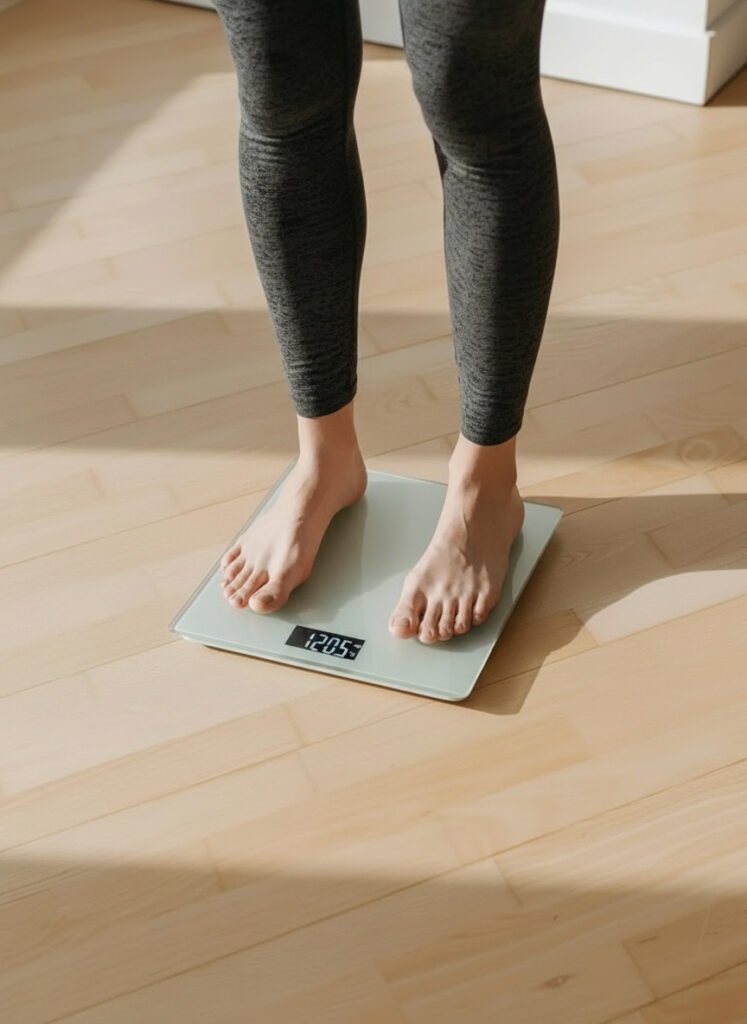
Obesity doesn’t just affect your appearance; it has a profound impact on your day-to-day life. From physical limitations to emotional challenges, the consequences of carrying excess weight can affect almost every aspect of your well-being. In this blog, we’ll explore how obesity influences your lifestyle and what you can do to take control.
The Physical Effects of Obesity on Daily Life
Obesity can lead to significant physical limitations that make daily activities challenging. Common issues include:
Joint pain: Carrying extra weight puts a strain on your joints, especially in areas like the knees and lower back, which can limit mobility.
Shortness of breath: Extra fat can impact your lung capacity, making activities like walking, climbing stairs, or even bending down more difficult.
Chronic fatigue: The added weight can drain your energy, leaving you feeling tired and less active, which can reduce your ability to engage in social or physical activities.
Emotional and Psychological Impact
The emotional toll of obesity can affect your self-esteem, confidence, and mental health. Many people struggle with:
Social isolation: Fear of judgment or embarrassment may cause you to avoid social situations.
Depression and anxiety: The impact of weight on your self-image, combined with societal pressures, can lead to emotional challenges.
Stress eating: The relationship between food and emotions often leads to overeating as a coping mechanism, worsening the cycle of obesity.
Obesity and its Effect on Sleep
Obesity is strongly linked to sleep apnea, a condition where your breathing is interrupted during sleep. This can lead to poor sleep quality, leaving you feeling exhausted and less productive during the day.
Conclusion
Obesity impacts more than just physical health; it affects your mental, emotional, and social well-being. The good news is that with the right approach, including personalized medical care, nutritional guidance, and support (like our Weight-Loss Package), you can regain control of your lifestyle.
Interested in learning how chiropractic care can help?


This post really opened my eyes to how subtle muscle imbalances can have a big impact on injury risk. The detailed explanations made it easy to understand why addressing these issues early is important.